Hypoallergenic Washing Powder: Why It Matters for Sensitive Skin
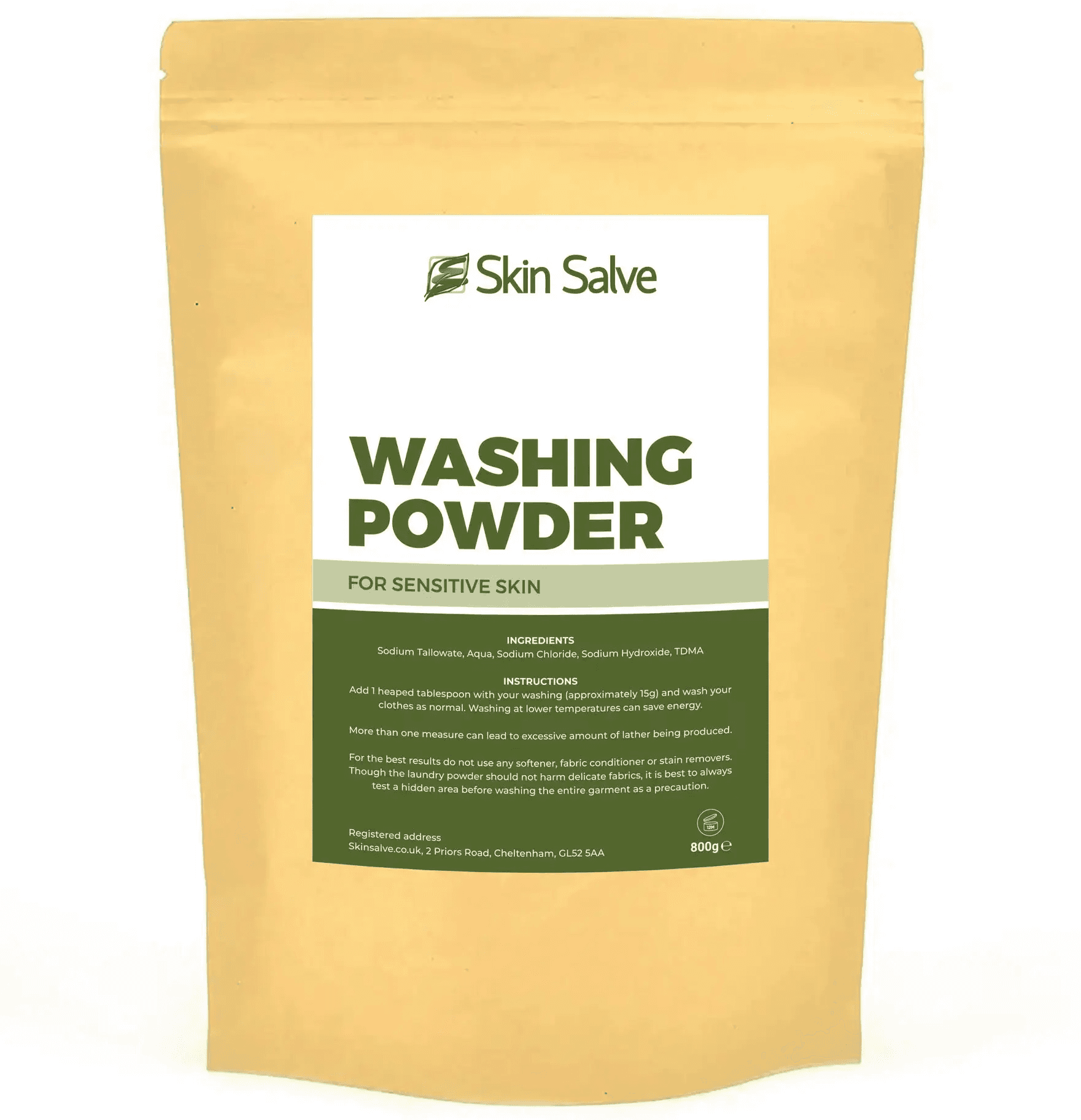
If you struggle with itchy skin, eczema flare-ups, or unexplained irritation, your laundry detergent could be part of the problem.
Many people carefully choose gentle skincare products but overlook something that touches their skin every single day: their clothes, bedding, and towels.
The reality is that many standard washing powders contain fragrances, dyes, and chemical additives that can irritate sensitive skin. And because detergent residue remains on fabric after washing, your skin can be exposed to these ingredients all day and night.
That’s where hypoallergenic washing powder can make a difference.
In this guide, we’ll explain what hypoallergenic detergents are, why they matter for sensitive skin, and how to choose the best option for your household.
What Is Hypoallergenic Washing Powder?
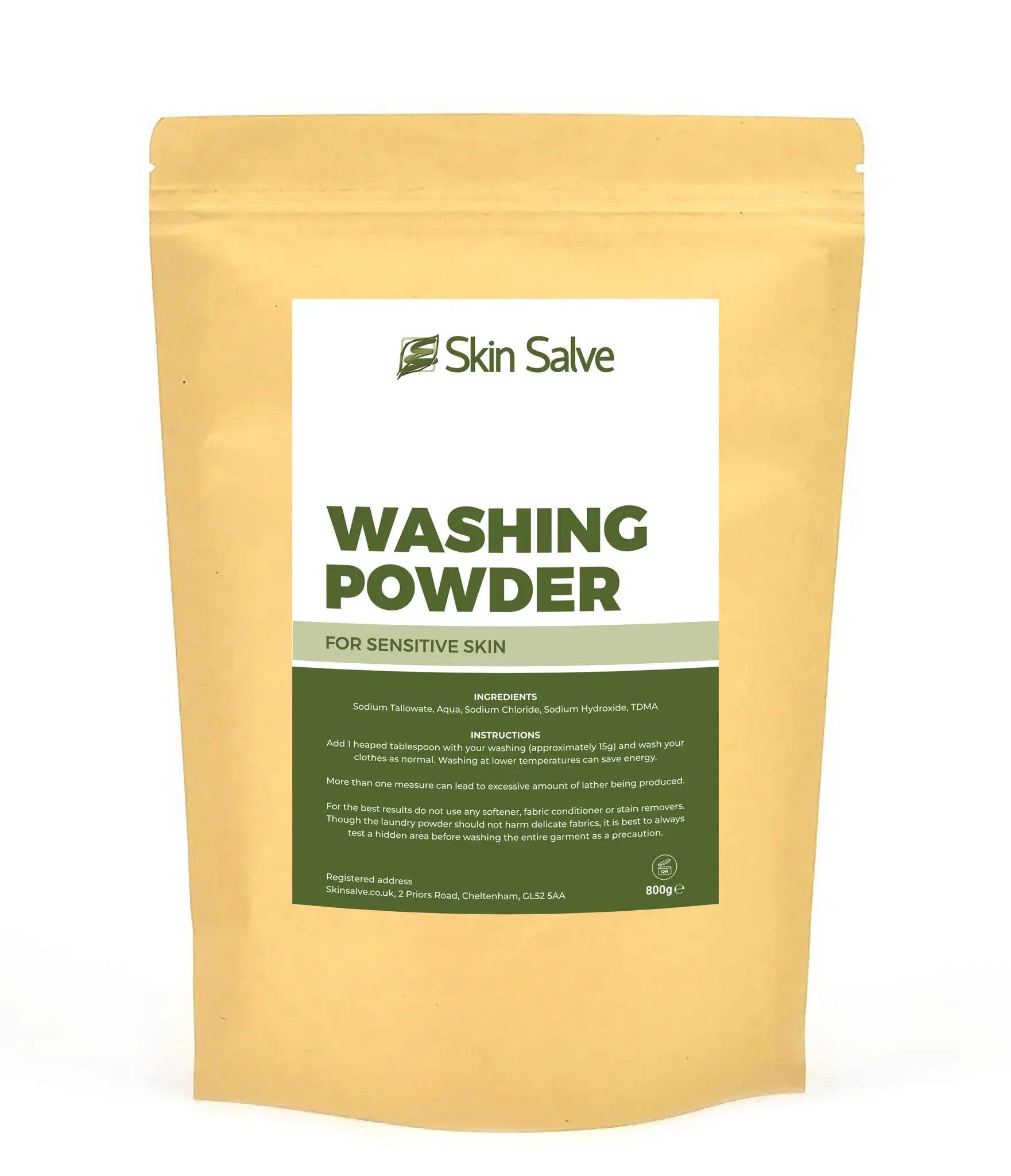
Hypoallergenic washing powder is designed to minimise the risk of skin irritation and allergic reactions.
Unlike standard detergents, these formulas typically avoid ingredients that commonly trigger skin problems.
Most hypoallergenic detergents are:
Fragrance-free
Dye-free
Free from common irritants
Formulated for sensitive or allergy-prone skin
It’s important to note that the term hypoallergenic doesn’t guarantee zero reactions. Instead, it means the product is formulated to reduce the likelihood of irritation compared with standard detergents.
For people with eczema, dermatitis, or generally sensitive skin, that difference can be significant.
Why Regular Detergents Can Irritate Skin
Many conventional detergents are designed to maximise stain removal and deliver a strong “fresh laundry” scent.
While these features appeal to consumers, they often rely on ingredients that can irritate sensitive skin — especially when traces remain in fabric after washing.
Here are some of the most common culprits.
Fragrance
Artificial fragrance is one of the most frequent causes of skin reactions.
Even detergents labelled with pleasant scents such as “fresh linen” or “spring breeze” may contain complex fragrance blends made from dozens of chemical compounds. For sensitive skin, these can trigger itching or irritation.
Optical Brighteners
Optical brighteners are chemicals that make fabrics appear whiter and brighter by reflecting light.
While effective for visual results, they can leave residues on clothing that may irritate sensitive skin.
Dyes
Colourants in detergent serve no cleaning purpose. Their role is purely cosmetic, yet they are a known trigger for allergic reactions in some people.
Harsh Surfactants
Surfactants help detergents break down dirt and oils. However, stronger surfactants can also strip natural oils from the skin when detergent residue remains on fabrics.
For people with sensitive skin, this can lead to:
itching
redness
dryness
eczema flare-ups
Signs Your Laundry Detergent Might Be Causing Skin Problems
Skin irritation caused by laundry detergent isn’t always obvious. Many people assume their symptoms are related to weather, stress, or skincare products instead.
However, your detergent could be responsible if you notice:
Itching after putting on freshly washed clothes
Skin irritation that worsens overnight from bedding
Eczema patches where clothing touches the skin
Rashes around waistbands, socks, or collars
Because clothing stays in constant contact with your skin, even small amounts of detergent residue can cause ongoing irritation.
Switching to a hypoallergenic washing powder often helps reduce or eliminate these symptoms.
Who Should Use Hypoallergenic Washing Powder?
Hypoallergenic detergents aren’t only for people with diagnosed skin conditions. They can benefit a wide range of households.
People With Eczema or Dermatitis
These conditions weaken the skin barrier, making the skin more vulnerable to irritants. Using a gentler detergent can help reduce flare-ups.
Babies and Young Children
A baby’s skin is thinner and more delicate than adult skin, which means it reacts more easily to fragrances and chemical residues.
People With Allergies or Fragrance Sensitivity
Some individuals react strongly to scented products. A fragrance-free detergent can help prevent irritation.
Anyone With Sensitive Skin
Even without a medical diagnosis, many people find their skin reacts better to simpler, gentler laundry formulas.
How to Choose the Best Hypoallergenic Washing Powder
Not every detergent marketed as “gentle” or “sensitive” is truly skin-friendly.
When choosing a hypoallergenic detergent, look for:
Fragrance-free formulas
Avoid products that say “lightly scented” or “naturally fragranced.”
Minimal ingredient lists
Simpler formulations often reduce the risk of irritation.
Dermatologically tested products
These products have been evaluated for skin compatibility.
Residue-free cleaning
A good detergent should rinse cleanly from fabrics, leaving minimal residue behind.
Extra Laundry Tips for Sensitive Skin
Even when using hypoallergenic detergent, a few additional habits can help reduce skin irritation.
Use the correct amount of detergent — too much can leave residue on clothes
Run an extra rinse cycle if your skin is very sensitive
Avoid fabric softeners, which often contain heavy fragrances
Wash new clothes before wearing them to remove manufacturing chemicals
These small adjustments can significantly improve comfort for people with sensitive skin.
The Bottom Line
Your laundry detergent has constant contact with your skin through the clothes you wear and the bedding you sleep in.
Switching to a hypoallergenic washing powder helps remove unnecessary irritants and can support healthier, calmer skin — especially for people with eczema, allergies, or sensitive skin.
If you’re trying to protect your skin barrier and reduce irritation, changing your detergent may be one of the simplest and most effective steps you can take.
A quick note:
This article is for general information only and is not medical advice. Skin reactions can have many causes. If you experience persistent or severe skin symptoms, it’s always best to seek advice from a qualified medical professional or dermatologist.
Help your skin today