Is Natural Soap Better Than Commercial Soap? A Simple Guide
Walk down any supermarket aisle and you’ll see shelves full of soaps promising softer, smoother, better-looking skin.
But here’s the question most people don’t ask:
What’s actually in them—and what is your skin reacting to?
If you have sensitive skin, this matters more than you might think.
Let’s look at the difference between natural soap and commercial soap, simply and honestly.
What Is “Commercial Soap”?
Many products labelled as “soap” today aren’t traditional soap at all.
They’re often synthetic detergents (known as syndets)—formulated to:
Lather more
Last longer
Smell stronger
To achieve this, they often include:
Sulphates (like SLS)
Artificial fragrances
Preservatives
Colourings
These ingredients aren’t necessarily “bad” for everyone.
But they can be harsh on sensitive skin, stripping away natural oils and weakening the skin barrier.
What Is Natural Soap?
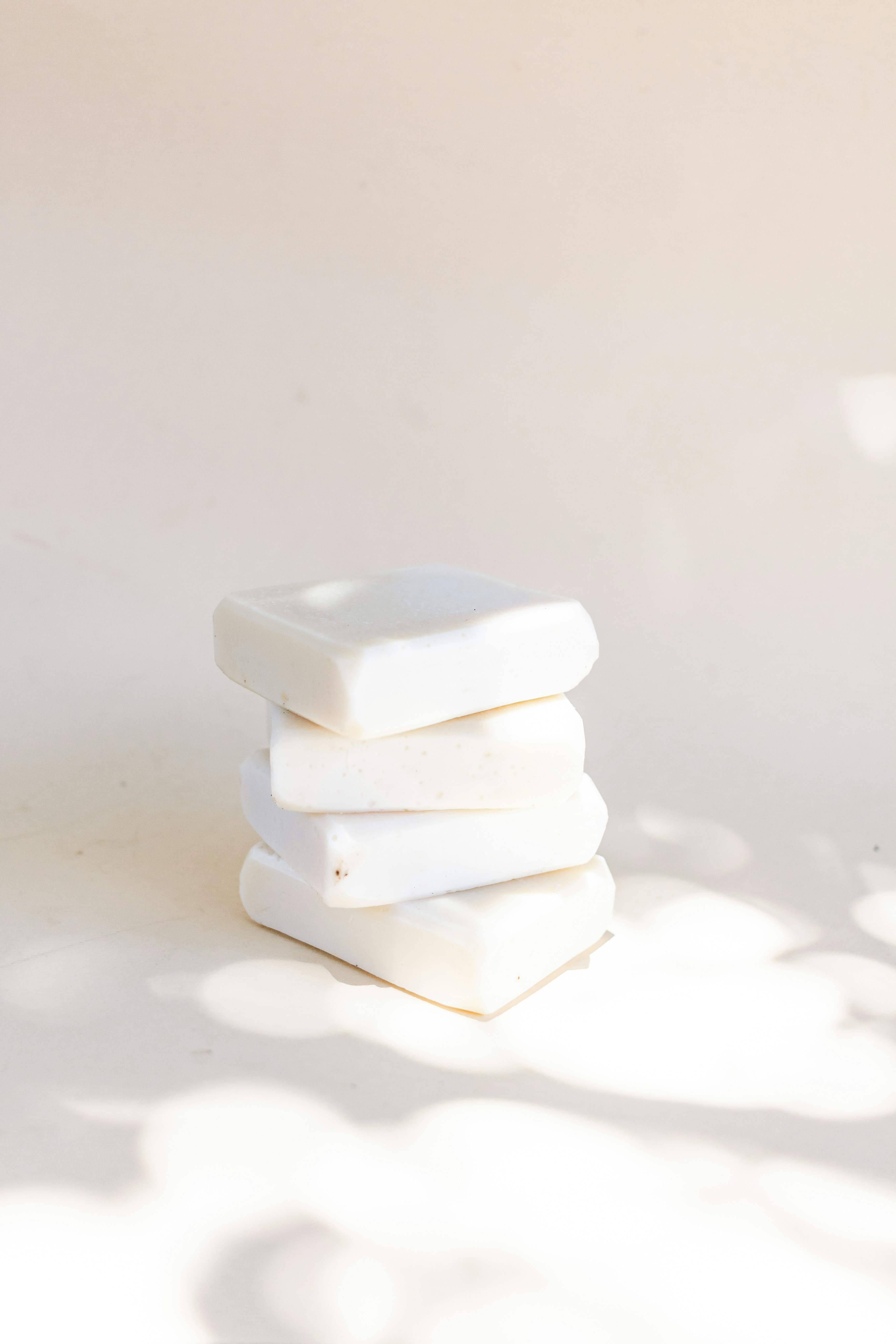
Natural soap is made using a traditional process (saponification), combining fats or oils with an alkali.
The result is a simple, effective cleanser that:
Cleans without excessive stripping
Contains fewer unnecessary additives
Works with your skin rather than against it
At its best, natural soap is:
Minimal
Gentle
Functional
The Key Difference: How Your Skin Feels After
This is where the real difference shows up.
After using commercial soap:
Skin can feel tight
Dryness may appear quickly
Irritation builds over time
After using a well-made natural soap:
Skin feels clean but comfortable
Less dryness
Fewer flare-ups
That “tight” feeling many people associate with cleanliness is actually a sign your skin has been stripped.
Why This Matters for Sensitive Skin
Your skin barrier is your first line of defence.
When it’s compromised:
Moisture escapes
Irritants get in
Skin becomes reactive
Harsh cleansers accelerate this process.
Gentler, simpler products help prevent it.
But Is All Natural Soap Better?
Not always.
“Natural” doesn’t automatically mean gentle.
Some natural soaps still include:
Strong essential oils
Rough exfoliants
Complex ingredient lists
The key isn’t just “natural”—it’s simple and well-formulated.
What to Look For in a Good Soap
If you have sensitive skin, choose a soap that is:
Made with minimal ingredients
Free from added fragrance
Designed for sensitive or reactive skin
Focused on function over marketing
The Skin Salve Approach
We believe the best skincare doesn’t try to do too much.
It simply:
Cleans effectively
Respects your skin
Avoids unnecessary extras
Because when your skin isn’t constantly fighting off irritants…
…it has the chance to repair, rebalance, and feel comfortable again.
Final Thought
The question isn’t just “natural vs commercial”.
It’s this:
Does this product support your skin—or stress it?
For many people with sensitive skin, the answer lies in going back to basics.
Simple ingredients. Honest formulations. And products your skin can trust.
A quick note:
This article is for general information only and is not medical advice. Skin reactions can have many causes. If you experience persistent or severe skin symptoms, it’s always best to seek advice from a qualified medical professional or dermatologist.
Help your skin today