Jan 3, 2026
The hidden chemicals in “fresh-smelling” laundry
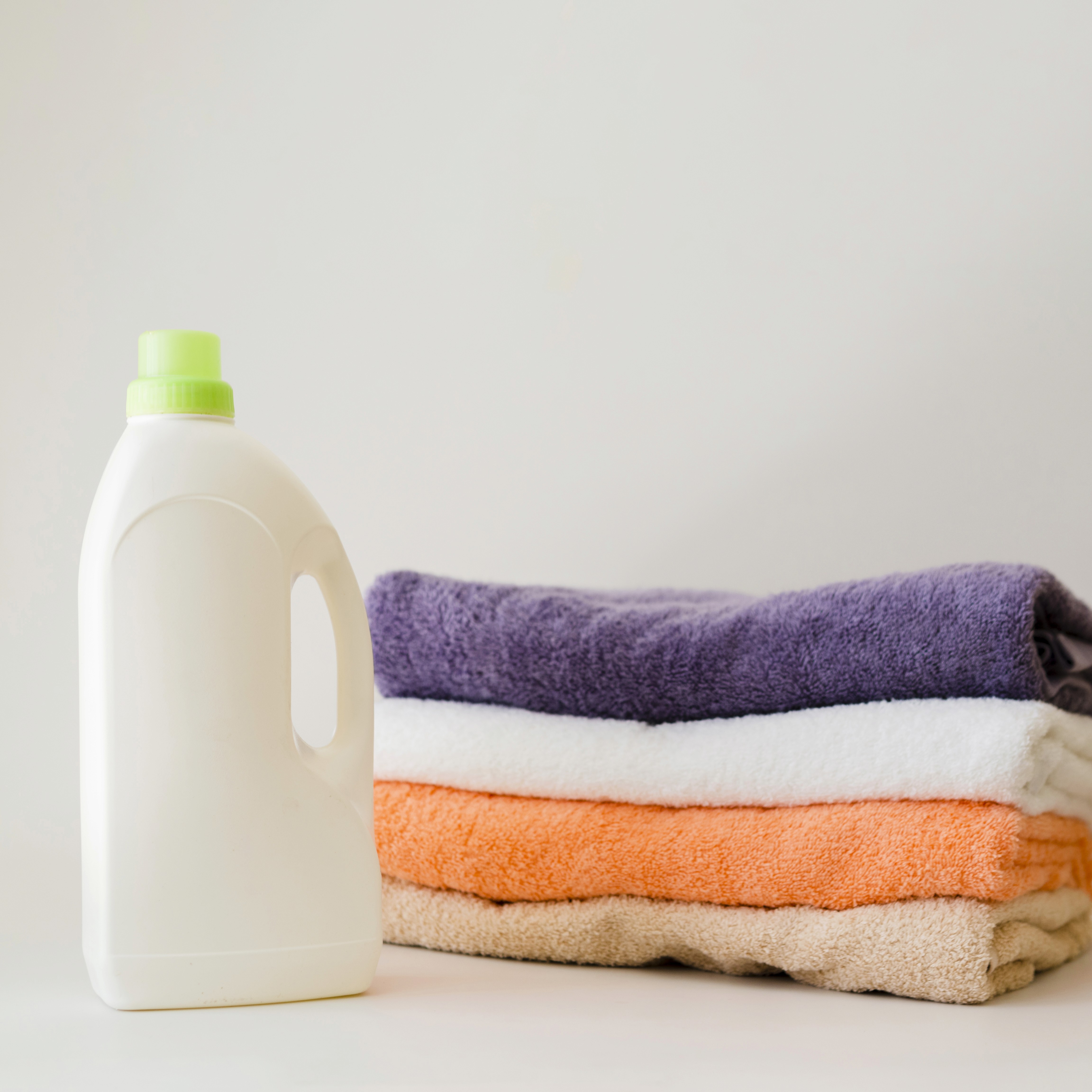


That just-washed, “fresh” laundry smell is something many of us associate with cleanliness. It’s comforting, familiar, and often used as a signal that clothes are properly clean. But for some people — particularly those with sensitive skin, allergies, or eczema — that lingering scent can be a sign of something less helpful.
The smell left behind by laundry detergent doesn’t happen by accident. It’s carefully designed, and in some cases, the chemicals responsible for that scent can contribute to skin irritation or discomfort.
A quick note before we begin
This article is for general information only and is not medical advice. Skin reactions can have many causes. If you experience persistent or severe skin symptoms, it’s always best to seek advice from a qualified medical professional or dermatologist.
Why “fresh-smelling” laundry smells at all
Clean clothes don’t naturally smell like flowers, ocean air, or linen. The scent comes from added fragrance in laundry detergent, laundry powder, and washing powder.
These fragrances are formulated to:
Smell pleasant
Last beyond the wash cycle
Linger on fabric for days or even weeks
From a marketing perspective, scent is often used to reinforce the idea of cleanliness. From a skin perspective, however, lingering fragrance means longer contact between fragrance compounds and your skin.
What does “fragrance” actually mean?
On an ingredient list, fragrance is often listed simply as “fragrance” or “parfum.” This single word can represent a blend of many individual chemicals, some synthetic and some derived from natural sources.
Manufacturers aren’t usually required to list each fragrance component separately, which means consumers often don’t know exactly what they’re being exposed to.
While many people tolerate these ingredients without issue, fragrance is one of the most common causes of skin sensitivity and contact irritation, particularly for people with reactive or compromised skin barriers.
Common chemical groups behind laundry scent
Without listing specific brand formulas, fragranced laundry detergent often relies on combinations of chemical groups such as:
Fragrance compounds designed to bond to fabric fibres
Solvents that help disperse scent evenly
Preservatives to stabilise the formula
Fixatives that make the smell last longer
Some products also include optical brighteners, which don’t affect scent directly but can contribute to residue remaining on clothing.
The key issue for sensitive skin isn’t necessarily toxicity — it’s prolonged exposure through clothing that sits against the skin all day.
Why scent lingers on clothes (and why that matters)
If laundry detergent fragrance washed out completely, you wouldn’t smell it once clothes were dry. The fact that scent remains means fragrance molecules are designed to stay behind.
These molecules:
Bind to fabric fibres
Transfer easily to skin
Become more active with heat, moisture, and friction
This is why irritation often appears:
Under tight clothing
After exercise
Around waistbands, cuffs, and seams
Overnight in bed
For people with eczema or sensitive skin, this ongoing contact can contribute to dryness, itching, or flare-ups.
“Natural” and “botanical” scents aren’t always gentler
There’s a common assumption that natural or plant-based fragrances are automatically better for skin. In reality, essential oils and botanical extracts can still be irritating for some people.
Lavender, citrus, eucalyptus, and other plant-derived scents are among the ingredients that can trigger reactions in sensitive individuals. The source of the fragrance matters less than how the skin responds to it.
This is why “unscented” or “fragrance-free” washing powder is often recommended for people with sensitive or allergy-prone skin.
How laundry habits can increase chemical residue
Even a mild detergent can cause issues if laundry habits increase residue. Common factors include:
Using more laundry detergent than needed
Cold washes that don’t rinse thoroughly
Hard water reducing rinse efficiency
Combining detergent with fabric softener
Washing bedding and towels with heavily scented products
Fabric softeners, in particular, are designed to coat fibres, which can trap fragrance and other residues against the skin.
What to look for if you want to avoid scented chemicals
For those who prefer to minimise exposure, useful things to look for in a laundry detergent or washing powder include:
No added fragrance
Minimal ingredient lists
Products designed for sensitive or eczema-prone skin
Detergents that rinse clean without leaving a scent behind
Both liquid detergent and laundry powder can be suitable — what matters most is how simple and residue-free the formulation is.
How to tell if fragrance may be affecting your skin
If you’re unsure whether scented laundry products are contributing to skin issues, a simple test can help:
Switch to a fragrance-free washing powder or detergent
Rewash items worn closest to skin (underwear, bedding, towels)
Avoid fabric softener
Use correct dosing
Monitor skin changes over 2–3 weeks
If irritation improves, fragrance may have been a contributing factor.
When to seek medical advice
While reducing exposure to scented laundry products can help some people, it’s not a replacement for medical care. If skin symptoms persist, worsen, or interfere with daily life, a healthcare professional can help identify underlying causes and recommend appropriate treatment.
Final thoughts
That “fresh laundry” smell is a design choice, not a necessity. For many people it’s harmless, but for others it can quietly contribute to ongoing skin irritation.
Choosing fragrance-free laundry detergent and reviewing laundry habits can be a simple, low-effort step toward supporting skin comfort — especially for those with sensitive or reactive skin.
Clean clothes don’t need to smell strongly to be clean. Sometimes, less really is more.
That just-washed, “fresh” laundry smell is something many of us associate with cleanliness. It’s comforting, familiar, and often used as a signal that clothes are properly clean. But for some people — particularly those with sensitive skin, allergies, or eczema — that lingering scent can be a sign of something less helpful.
The smell left behind by laundry detergent doesn’t happen by accident. It’s carefully designed, and in some cases, the chemicals responsible for that scent can contribute to skin irritation or discomfort.
A quick note before we begin
This article is for general information only and is not medical advice. Skin reactions can have many causes. If you experience persistent or severe skin symptoms, it’s always best to seek advice from a qualified medical professional or dermatologist.
Why “fresh-smelling” laundry smells at all
Clean clothes don’t naturally smell like flowers, ocean air, or linen. The scent comes from added fragrance in laundry detergent, laundry powder, and washing powder.
These fragrances are formulated to:
Smell pleasant
Last beyond the wash cycle
Linger on fabric for days or even weeks
From a marketing perspective, scent is often used to reinforce the idea of cleanliness. From a skin perspective, however, lingering fragrance means longer contact between fragrance compounds and your skin.
What does “fragrance” actually mean?
On an ingredient list, fragrance is often listed simply as “fragrance” or “parfum.” This single word can represent a blend of many individual chemicals, some synthetic and some derived from natural sources.
Manufacturers aren’t usually required to list each fragrance component separately, which means consumers often don’t know exactly what they’re being exposed to.
While many people tolerate these ingredients without issue, fragrance is one of the most common causes of skin sensitivity and contact irritation, particularly for people with reactive or compromised skin barriers.
Common chemical groups behind laundry scent
Without listing specific brand formulas, fragranced laundry detergent often relies on combinations of chemical groups such as:
Fragrance compounds designed to bond to fabric fibres
Solvents that help disperse scent evenly
Preservatives to stabilise the formula
Fixatives that make the smell last longer
Some products also include optical brighteners, which don’t affect scent directly but can contribute to residue remaining on clothing.
The key issue for sensitive skin isn’t necessarily toxicity — it’s prolonged exposure through clothing that sits against the skin all day.
Why scent lingers on clothes (and why that matters)
If laundry detergent fragrance washed out completely, you wouldn’t smell it once clothes were dry. The fact that scent remains means fragrance molecules are designed to stay behind.
These molecules:
Bind to fabric fibres
Transfer easily to skin
Become more active with heat, moisture, and friction
This is why irritation often appears:
Under tight clothing
After exercise
Around waistbands, cuffs, and seams
Overnight in bed
For people with eczema or sensitive skin, this ongoing contact can contribute to dryness, itching, or flare-ups.
“Natural” and “botanical” scents aren’t always gentler
There’s a common assumption that natural or plant-based fragrances are automatically better for skin. In reality, essential oils and botanical extracts can still be irritating for some people.
Lavender, citrus, eucalyptus, and other plant-derived scents are among the ingredients that can trigger reactions in sensitive individuals. The source of the fragrance matters less than how the skin responds to it.
This is why “unscented” or “fragrance-free” washing powder is often recommended for people with sensitive or allergy-prone skin.
How laundry habits can increase chemical residue
Even a mild detergent can cause issues if laundry habits increase residue. Common factors include:
Using more laundry detergent than needed
Cold washes that don’t rinse thoroughly
Hard water reducing rinse efficiency
Combining detergent with fabric softener
Washing bedding and towels with heavily scented products
Fabric softeners, in particular, are designed to coat fibres, which can trap fragrance and other residues against the skin.
What to look for if you want to avoid scented chemicals
For those who prefer to minimise exposure, useful things to look for in a laundry detergent or washing powder include:
No added fragrance
Minimal ingredient lists
Products designed for sensitive or eczema-prone skin
Detergents that rinse clean without leaving a scent behind
Both liquid detergent and laundry powder can be suitable — what matters most is how simple and residue-free the formulation is.
How to tell if fragrance may be affecting your skin
If you’re unsure whether scented laundry products are contributing to skin issues, a simple test can help:
Switch to a fragrance-free washing powder or detergent
Rewash items worn closest to skin (underwear, bedding, towels)
Avoid fabric softener
Use correct dosing
Monitor skin changes over 2–3 weeks
If irritation improves, fragrance may have been a contributing factor.
When to seek medical advice
While reducing exposure to scented laundry products can help some people, it’s not a replacement for medical care. If skin symptoms persist, worsen, or interfere with daily life, a healthcare professional can help identify underlying causes and recommend appropriate treatment.
Final thoughts
That “fresh laundry” smell is a design choice, not a necessity. For many people it’s harmless, but for others it can quietly contribute to ongoing skin irritation.
Choosing fragrance-free laundry detergent and reviewing laundry habits can be a simple, low-effort step toward supporting skin comfort — especially for those with sensitive or reactive skin.
Clean clothes don’t need to smell strongly to be clean. Sometimes, less really is more.
Help your skin today
Shop the Skin Salve range
Our latest Posts
This page has been reviewed
We use natural ingredients in all of our products, but it's still possible to experience an adverse reaction to certain elements.
If any reaction or skin irritation occurs, discontinue use and consult with a medical professional.
Products
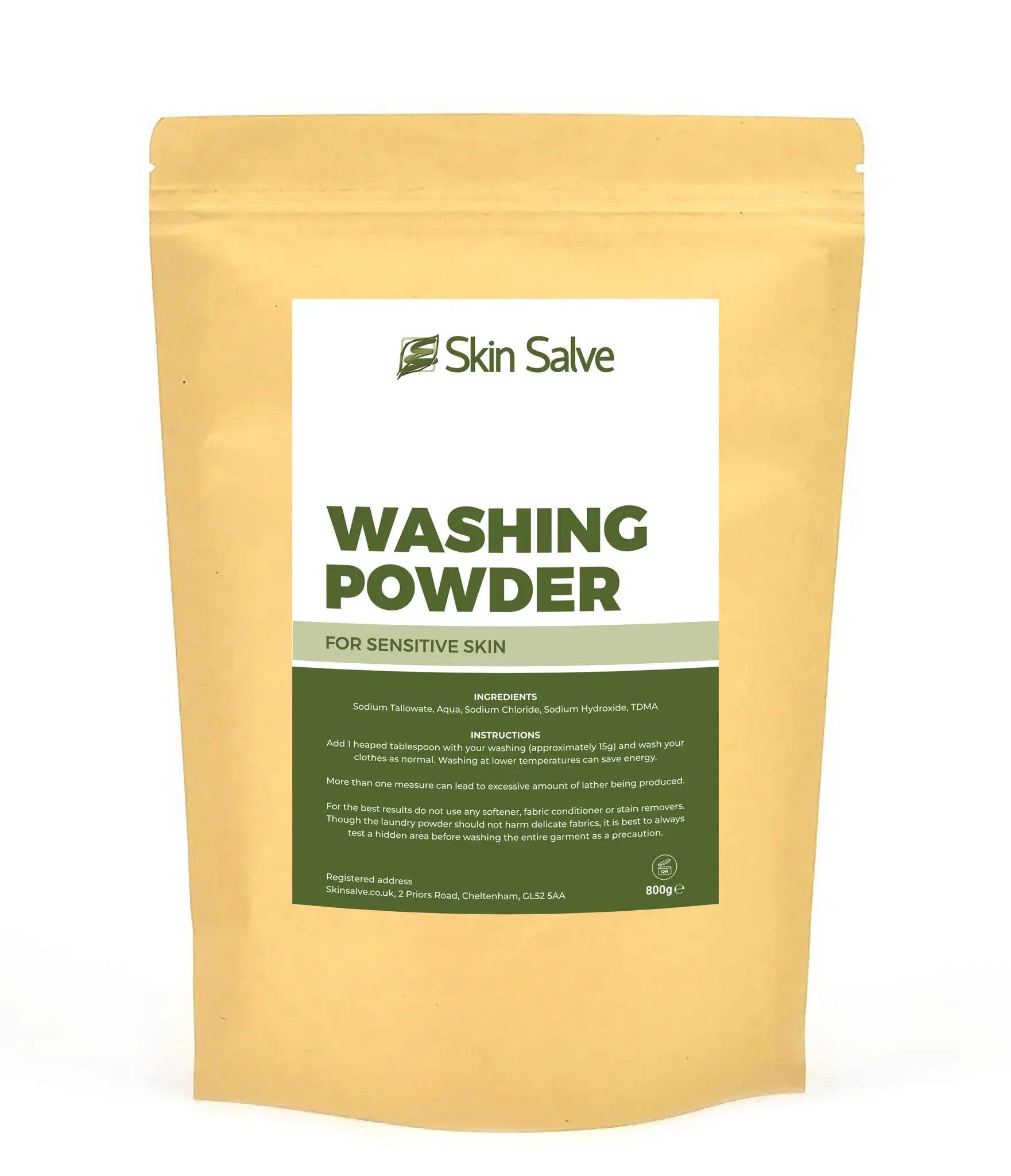
Non-Bio Washing Powder for Sensitive Skin and Eczema
Natural Dermasalve Moisturisers for Bodies and Hands
8 Week Pack for Eczema and Sensitive Skin
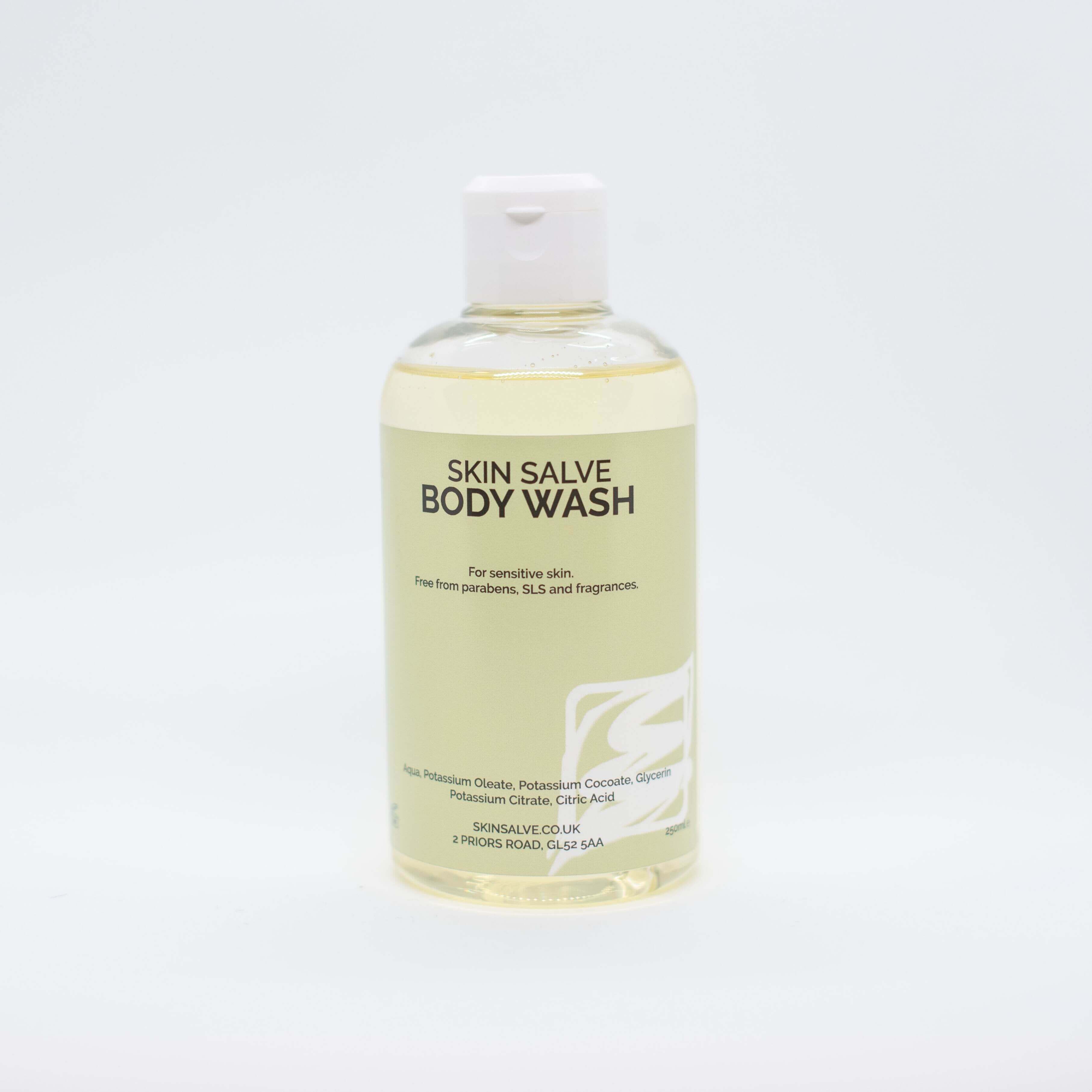
Natural Organic Body Wash and Shower Gel
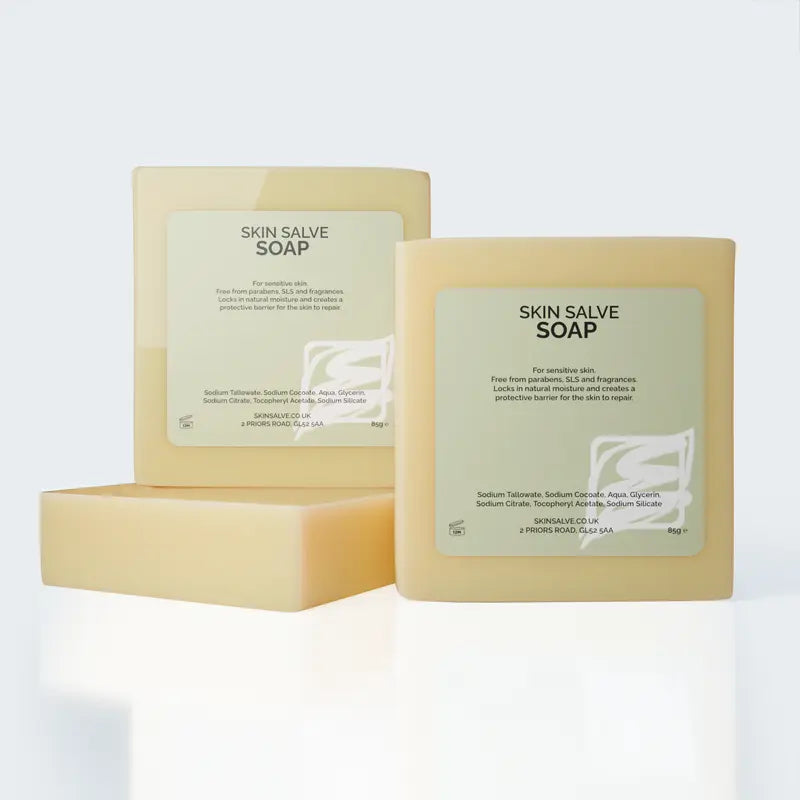
Natural Soap for Sensitive Skin and Eczema
Sulphate Free Natural Shampoo
Skin Salve Moisturiser
Liquid Soap for Sensitive Skin
Natural Tallow Soap Bar for Sensitive Skin
Second Chance Soap Bar
Skin Salve is the trading name of Dav Group Ltd. A company registered in the UK.
Company registration number: 15339184
Registered address:
2 Priors Road, Cheltenham, GL52 5AA
© Copyright 2025, All Rights Reserved
This page has been reviewed
We use natural ingredients in all of our products, but it's still possible to experience an adverse reaction to certain elements. If any reaction or skin irritation occurs, discontinue use and consult with a medical professional.
Products
Non-Bio Washing Powder for Sensitive Skin and Eczema
Natural Dermasalve Moisturisers for Bodies and Hands
8 Week Pack for Eczema and Sensitive Skin
Natural Organic Body Wash and Shower Gel
Natural Soap for Sensitive Skin and Eczema
Sulphate Free Natural Shampoo
Skin Salve Moisturiser
Liquid Soap for Sensitive Skin
Natural Tallow Soap Bar for Sensitive Skin
Second Chance Soap Bar
Skin Salve is the trading name of Dav Group Ltd. A company registered in the UK.
Company registration number: 15339184
Registered address:
2 Priors Road, Cheltenham, GL52 5AA
© Copyright 2025, All Rights Reserved
This page has been reviewed
We use natural ingredients in all of our products, but it's still possible to experience an adverse reaction to certain elements. If any reaction or skin irritation occurs, discontinue use and consult with a medical professional.
Products
Non-Bio Washing Powder for Sensitive Skin and Eczema
Natural Dermasalve Moisturisers for Bodies and Hands
8 Week Pack for Eczema and Sensitive Skin
Natural Organic Body Wash and Shower Gel
Natural Soap for Sensitive Skin and Eczema
Sulphate Free Natural Shampoo
Skin Salve Moisturiser
Liquid Soap for Sensitive Skin
Natural Tallow Soap Bar for Sensitive Skin
Second Chance Soap Bar
Skin Salve is the trading name of Dav Group Ltd. A company registered in the UK.
Company registration number: 15339184
Registered address:
2 Priors Road, Cheltenham, GL52 5AA
© Copyright 2025, All Rights Reserved
This page has been reviewed
We use natural ingredients in all of our products, but it's still possible to experience an adverse reaction to certain elements.
If any reaction or skin irritation occurs, discontinue use and consult with a medical professional.
Products
Non-Bio Washing Powder for Sensitive Skin and Eczema
Natural Dermasalve Moisturisers for Bodies and Hands
8 Week Pack for Eczema and Sensitive Skin
Natural Organic Body Wash and Shower Gel
Natural Soap for Sensitive Skin and Eczema
Sulphate Free Natural Shampoo
Skin Salve Moisturiser
Liquid Soap for Sensitive Skin
Natural Tallow Soap Bar for Sensitive Skin
Second Chance Soap Bar
Skin Salve is the trading name of Dav Group Ltd. A company registered in the UK.
Company registration number: 15339184
Registered address:
2 Priors Road, Cheltenham, GL52 5AA
© Copyright 2025, All Rights Reserved