Why Are Sulphates Bad for People with Sensitive Skin?
Sulphates have become one of the most talked-about ingredients in haircare. You will often see products proudly labelled “sulphate free”, but what does that actually mean? And are sulphates really bad for everyone?
The truth is more balanced than the headlines suggest. Sulphates are not inherently dangerous. They are effective cleansing agents used in everything from shampoos to shower gels. However, for people with sensitive skin, they can sometimes cause irritation, and that is where caution is important.
What Are Sulphates?
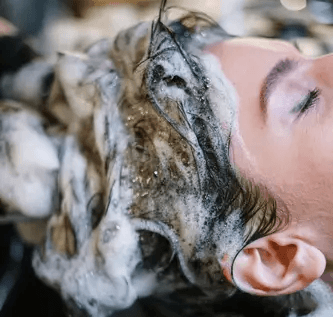
Sulphates are surfactants, ingredients that help water mix with oil and dirt so they can be rinsed away. They are responsible for the rich, foamy lather many of us associate with a “good clean”.
The most common sulphates used in shampoos are:
Sodium Lauryl Sulphate (SLS)
Sodium Laureth Sulphate (SLES)
They are widely used because they are effective at removing grease, product build-up and excess oil.
For people with oily hair or heavy styling routines, sulphates can be very efficient cleansers.
But efficiency is not always ideal for delicate skin.
Why Can Sulphates Be a Problem for Sensitive Skin?
Sensitive skin tends to have a more reactive barrier. This means it can lose moisture more easily and respond more strongly to certain ingredients.
Sulphates work by breaking down oils, including the natural oils that protect your scalp and skin. For most people, this is not an issue when the product is rinsed off quickly. However, for those prone to dryness, eczema, dermatitis or irritation, sulphates can:
Strip away protective natural oils
Disrupt the skin barrier
Cause dryness or tightness
Trigger redness or itching
Aggravate existing skin conditions
It is not that sulphates are “toxic” or unsafe. There is no reliable evidence that they cause cancer or serious health conditions. The issue is irritation and barrier disruption, particularly for people whose skin is already vulnerable.
Does Everyone Need to Avoid Sulphates?
No, and this is important.
If you have resilient skin, wash your hair infrequently, or use a lot of styling products, sulphates may actually help keep your scalp clean and free from build-up.
However, if you:
Experience scalp irritation
Have eczema, psoriasis or reactive skin
Feel dryness after washing
Colour your hair and want to reduce fade
Wash your hair frequently
Then reducing sulphate exposure can be beneficial.
This is where switching to a sulphate free shampoo can make a noticeable difference.
Why Sulphate-Free Options Can Be Gentler
A sulphate free shampoo uses alternative cleansing agents that are milder on the skin barrier. While they still clean effectively, they are less likely to strip away natural moisture.
For people with sensitive or dry scalps, this often means:
Less irritation
Improved comfort after washing
Softer-feeling hair
Reduced frizz, especially for curly hair
Better long-term scalp balance
One thing to note is that sulphate-free shampoos usually produce less foam. That does not mean they are not working. It simply means they cleanse differently. Adding a little extra water while massaging into the scalp can help create a light lather.
What About Coloured Hair?
Sulphates can accelerate colour fade because they open the hair cuticle during cleansing. While all washing gradually fades colour, stronger surfactants may speed up the process.
If you have coloured hair and sensitive skin, minimising sulphate exposure can help preserve both your colour and scalp comfort.
The Bigger Picture: Sensitive Skin Care
When managing reactive or delicate skin, consistency matters. The skin around your hairline and scalp is part of your overall sensitive skin care routine, and harsh cleansing can undermine progress you have made elsewhere.
Supporting your skin barrier means:
Using gentle cleansers
Avoiding unnecessary irritants
Minimising over-washing
Choosing formulations designed for comfort
Small changes in daily routines can significantly improve how your skin feels over time.
So, Are Sulphates “Bad”?
Sulphates are not villains. They are effective, well-studied cleansing agents.
But for people with sensitive skin, they can be too effective.
If your scalp feels tight, itchy or dry after washing, or if you struggle with flare-ups around your hairline, switching to a sulphate free shampoo may help reduce irritation and support a healthier skin barrier.
In sensitive skin care, the goal is not to eliminate every ingredient. It is to minimise unnecessary stress on already delicate skin.
And sometimes, gentler really is better.
A quick note:
This article is for general information only and is not medical advice. Skin reactions can have many causes. If you experience persistent or severe skin symptoms, it’s always best to seek advice from a qualified medical professional or dermatologist.
Help your skin today