Feb 6, 2026

What to wash children’s clothes in if they have sensitive skin
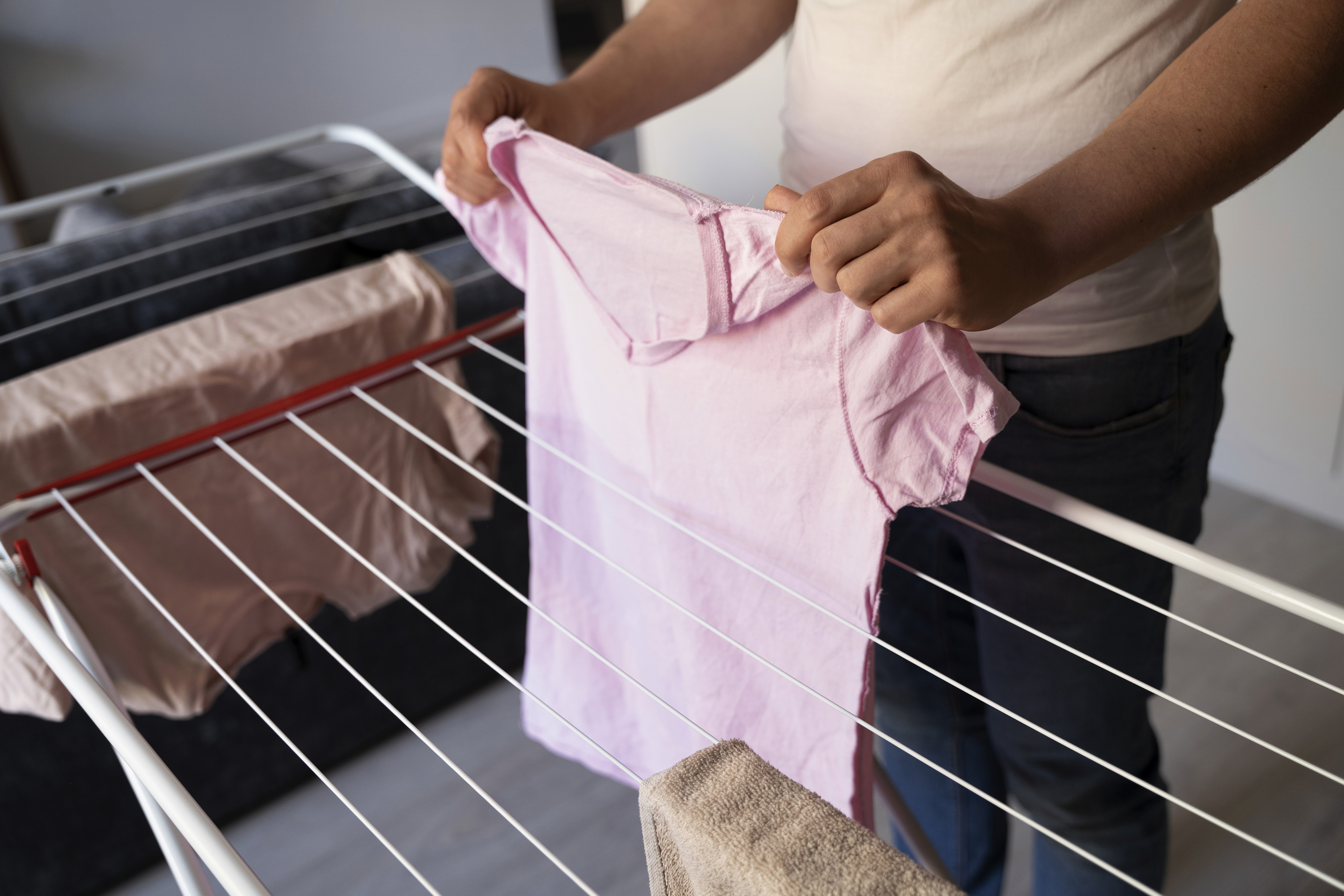
If your child has sensitive skin, eczema, or frequent rashes, what you wash their clothes in can matter more than many parents realise. Children’s skin is thinner and more reactive than adult skin, and their clothes sit directly against it for long periods — especially during sleep, play, and school.


While skincare products often get most of the attention, laundry detergent is a common but overlooked source of irritation. Choosing the right washing powder or laundry detergent can make a noticeable difference to skin comfort for some children.

A quick note before we begin

This article is for general information only and is not medical advice. Children’s skin conditions can have many causes. If your child has persistent, severe, or worsening skin symptoms, always seek advice from a GP, health visitor, or dermatologist.

Why children’s skin reacts more easily

Children’s skin is still developing. Compared to adults, it:

  • Has a thinner protective barrier

  • Loses moisture more easily

  • Absorbs substances from the environment more readily

This means that residues left behind by laundry detergent can be more irritating for children than for adults — even when the same products cause no obvious reaction elsewhere in the household.


Babies and young children also spend more time in close contact with fabrics, such as bedding, sleepwear, soft toys, and towels, increasing exposure.

How laundry detergent can affect children’s skin

Most standard laundry detergent is designed for effective stain removal and long-lasting fragrance. To achieve this, many products contain ingredients such as fragrances, enzymes, optical brighteners, and preservatives.


Even after a full wash cycle, small amounts of detergent residue can remain trapped in fabric fibres. When clothes are worn, this residue transfers to the skin and may contribute to:

  • Dryness or itching

  • Redness or irritation

  • Worsening eczema flare-ups

  • Discomfort around seams, cuffs, and waistbands

This doesn’t mean that detergent is always the cause of sensitive skin — but it can be a contributing factor worth considering.

Signs your child’s washing powder may be causing irritation

Laundry-related irritation can be subtle. Some signs to watch for include:

  • Skin flare-ups that seem worse after changing clothes or pyjamas

  • Itching that increases at bedtime

  • Rashes in areas covered by clothing rather than exposed skin

  • Improvement when wearing older or less frequently washed clothes

  • Sensitivity that doesn’t improve despite changing soaps or creams

If these patterns appear, reviewing the laundry detergent you’re using may be helpful.

What to look for in a laundry detergent for sensitive skin

When washing children’s clothes, many parents choose gentler alternatives designed to minimise irritation. Useful things to look for include:

  • No added fragrance or dyes

  • Simple ingredient lists

  • Products designed for sensitive or eczema-prone skin

  • Detergents that rinse clean without heavy residue

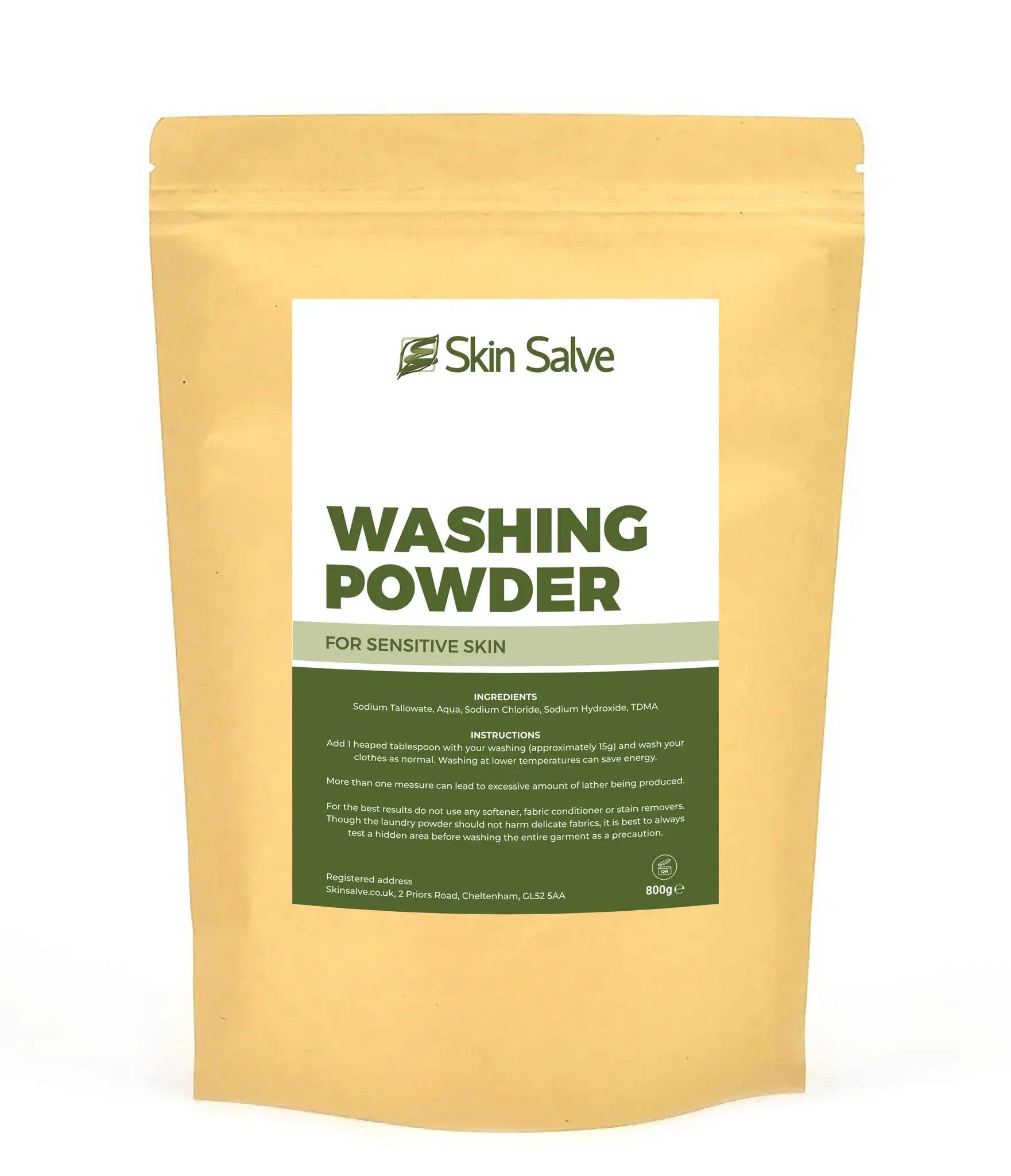
Both liquid laundry detergent and washing powder can be suitable. A well-formulated laundry powder with minimal ingredients can be just as gentle as a liquid option, provided it dissolves and rinses properly.

Why fragrance-free matters for children

Fragrance is one of the most common skin irritants, particularly for children. In laundry detergent, fragrance is added not only for scent but also to linger on fabrics.

The term “fragrance” can refer to a blend of multiple compounds, and not all need to be listed individually. Even detergents marketed as “baby” or “natural” may still contain fragrance that can irritate sensitive skin.

Choosing a fragrance-free washing powder helps reduce unnecessary exposure, especially for items worn close to the skin.

Laundry habits that help protect sensitive skin

How you wash clothes matters just as much as what you wash them in. Helpful habits include:

  • Using the correct amount of laundry detergent (more is not better)

  • Running an extra rinse cycle if possible

  • Washing children’s clothes separately from heavily soiled adult laundry

  • Avoiding fabric softener, which can leave additional residue

  • Washing bedding, pyjamas, and towels in the same gentle detergent

Hard water can also make detergent harder to rinse out, so extra rinsing may be beneficial in some areas.

How to test whether detergent is affecting your child’s skin

If you’re unsure whether laundry detergent is contributing to irritation, a short trial can help:

  1. Switch to a gentler, fragrance-free washing powder or detergent

  2. Rewash key items such as pyjamas, underwear, bedding, and towels

  3. Avoid fabric softener during the trial

  4. Stick to recommended dosing

  5. Monitor skin changes over 2–3 weeks

Because children’s skin can take time to settle, improvements may not be immediate.

When to seek medical advice

While changing laundry detergent can help reduce irritation for some children, it’s not a substitute for medical care. If your child’s skin is:

  • Painful, infected, or weeping

  • Severely itchy or affecting sleep

  • Not improving despite changes at home

A healthcare professional can help identify underlying causes and recommend appropriate treatment.

Final thoughts

Washing children’s clothes in a gentle, low-irritant laundry detergent is a simple step that may help support sensitive skin. Because clothes are in constant contact with the body, even small amounts of detergent residue can make a difference for some children.


There’s no single “perfect” washing powder for every child, but choosing fragrance-free, minimal-ingredient options — and using good laundry habits — can be a practical place to start.


As always, if you’re unsure or concerned, professional medical advice is the best next step.

If your child has sensitive skin, eczema, or frequent rashes, what you wash their clothes in can matter more than many parents realise. Children’s skin is thinner and more reactive than adult skin, and their clothes sit directly against it for long periods — especially during sleep, play, and school.


While skincare products often get most of the attention, laundry detergent is a common but overlooked source of irritation. Choosing the right washing powder or laundry detergent can make a noticeable difference to skin comfort for some children.

A quick note before we begin

This article is for general information only and is not medical advice. Children’s skin conditions can have many causes. If your child has persistent, severe, or worsening skin symptoms, always seek advice from a GP, health visitor, or dermatologist.

Why children’s skin reacts more easily

Children’s skin is still developing. Compared to adults, it:

  • Has a thinner protective barrier

  • Loses moisture more easily

  • Absorbs substances from the environment more readily

This means that residues left behind by laundry detergent can be more irritating for children than for adults — even when the same products cause no obvious reaction elsewhere in the household.


Babies and young children also spend more time in close contact with fabrics, such as bedding, sleepwear, soft toys, and towels, increasing exposure.

How laundry detergent can affect children’s skin

Most standard laundry detergent is designed for effective stain removal and long-lasting fragrance. To achieve this, many products contain ingredients such as fragrances, enzymes, optical brighteners, and preservatives.


Even after a full wash cycle, small amounts of detergent residue can remain trapped in fabric fibres. When clothes are worn, this residue transfers to the skin and may contribute to:

  • Dryness or itching

  • Redness or irritation

  • Worsening eczema flare-ups

  • Discomfort around seams, cuffs, and waistbands

This doesn’t mean that detergent is always the cause of sensitive skin — but it can be a contributing factor worth considering.

Signs your child’s washing powder may be causing irritation

Laundry-related irritation can be subtle. Some signs to watch for include:

  • Skin flare-ups that seem worse after changing clothes or pyjamas

  • Itching that increases at bedtime

  • Rashes in areas covered by clothing rather than exposed skin

  • Improvement when wearing older or less frequently washed clothes

  • Sensitivity that doesn’t improve despite changing soaps or creams

If these patterns appear, reviewing the laundry detergent you’re using may be helpful.

What to look for in a laundry detergent for sensitive skin

When washing children’s clothes, many parents choose gentler alternatives designed to minimise irritation. Useful things to look for include:

  • No added fragrance or dyes

  • Simple ingredient lists

  • Products designed for sensitive or eczema-prone skin

  • Detergents that rinse clean without heavy residue

Both liquid laundry detergent and washing powder can be suitable. A well-formulated laundry powder with minimal ingredients can be just as gentle as a liquid option, provided it dissolves and rinses properly.

Why fragrance-free matters for children

Fragrance is one of the most common skin irritants, particularly for children. In laundry detergent, fragrance is added not only for scent but also to linger on fabrics.

The term “fragrance” can refer to a blend of multiple compounds, and not all need to be listed individually. Even detergents marketed as “baby” or “natural” may still contain fragrance that can irritate sensitive skin.

Choosing a fragrance-free washing powder helps reduce unnecessary exposure, especially for items worn close to the skin.

Laundry habits that help protect sensitive skin

How you wash clothes matters just as much as what you wash them in. Helpful habits include:

  • Using the correct amount of laundry detergent (more is not better)

  • Running an extra rinse cycle if possible

  • Washing children’s clothes separately from heavily soiled adult laundry

  • Avoiding fabric softener, which can leave additional residue

  • Washing bedding, pyjamas, and towels in the same gentle detergent

Hard water can also make detergent harder to rinse out, so extra rinsing may be beneficial in some areas.

How to test whether detergent is affecting your child’s skin

If you’re unsure whether laundry detergent is contributing to irritation, a short trial can help:

  1. Switch to a gentler, fragrance-free washing powder or detergent

  2. Rewash key items such as pyjamas, underwear, bedding, and towels

  3. Avoid fabric softener during the trial

  4. Stick to recommended dosing

  5. Monitor skin changes over 2–3 weeks

Because children’s skin can take time to settle, improvements may not be immediate.

When to seek medical advice

While changing laundry detergent can help reduce irritation for some children, it’s not a substitute for medical care. If your child’s skin is:

  • Painful, infected, or weeping

  • Severely itchy or affecting sleep

  • Not improving despite changes at home

A healthcare professional can help identify underlying causes and recommend appropriate treatment.

Final thoughts

Washing children’s clothes in a gentle, low-irritant laundry detergent is a simple step that may help support sensitive skin. Because clothes are in constant contact with the body, even small amounts of detergent residue can make a difference for some children.


There’s no single “perfect” washing powder for every child, but choosing fragrance-free, minimal-ingredient options — and using good laundry habits — can be a practical place to start.


As always, if you’re unsure or concerned, professional medical advice is the best next step.

Help your skin today

Shop the Skin Salve range

This page has been reviewed

We use natural ingredients in all of our products, but it's still possible to experience an adverse reaction to certain elements.

If any reaction or skin irritation occurs, discontinue use and consult with a medical professional.

Skin Salve is the trading name of Dav Group Ltd. A company registered in the UK.

Company registration number: 15339184

Registered address:

2 Priors Road, Cheltenham, GL52 5AA

© Copyright 2025, All Rights Reserved

This page has been reviewed

We use natural ingredients in all of our products, but it's still possible to experience an adverse reaction to certain elements. If any reaction or skin irritation occurs, discontinue use and consult with a medical professional.

Skin Salve is the trading name of Dav Group Ltd. A company registered in the UK.

Company registration number: 15339184

Registered address:

2 Priors Road, Cheltenham, GL52 5AA

© Copyright 2025, All Rights Reserved

This page has been reviewed

We use natural ingredients in all of our products, but it's still possible to experience an adverse reaction to certain elements. If any reaction or skin irritation occurs, discontinue use and consult with a medical professional.

Skin Salve is the trading name of Dav Group Ltd. A company registered in the UK.

Company registration number: 15339184

Registered address:

2 Priors Road, Cheltenham, GL52 5AA

© Copyright 2025, All Rights Reserved

This page has been reviewed

We use natural ingredients in all of our products, but it's still possible to experience an adverse reaction to certain elements.

If any reaction or skin irritation occurs, discontinue use and consult with a medical professional.

Skin Salve is the trading name of Dav Group Ltd. A company registered in the UK.

Company registration number: 15339184

Registered address:

2 Priors Road, Cheltenham, GL52 5AA

© Copyright 2025, All Rights Reserved