Jan 30, 2026

Why your laundry detergent might be causing skin flare-ups

If you’re dealing with unexplained skin irritation, flare-ups, or itching, your first instinct is probably to look at skincare, diet, stress, or allergies. What many people don’t realise is that the problem may be much closer to home — quite literally in your clothes.


Laundry detergent sits against your skin all day (and all night). For people with sensitive skin, eczema, psoriasis, or recurring irritation, certain detergents can quietly contribute to ongoing flare-ups without being obvious or immediate.

A quick note before we begin

This article is for general information only and is not medical advice. Skin conditions can have many causes, and symptoms vary from person to person. If you are experiencing persistent, worsening, or severe skin flare-ups, it’s important to seek advice from a qualified medical professional or dermatologist.

What’s actually in modern laundry detergent?

Most mainstream laundry detergent — whether liquid, laundry powder, or washing powder — is designed to remove stains efficiently, smell “fresh,” and keep clothes looking bright. To do this, many products contain a combination of ingredients such as:

  • Fragrances (often listed simply as “parfum”)

  • Surfactants to lift dirt and oils

  • Enzymes that break down stains

  • Optical brighteners that make fabrics appear whiter

  • Preservatives to extend shelf life

None of these ingredients are inherently “bad.” However, for people with sensitive or reactive skin, even low levels of residue left on fabric can cause irritation over time.


Importantly, laundry detergent is not fully rinsed away in most household wash cycles. Trace amounts remain embedded in fibres — especially in thicker fabrics like towels, bedding, underwear, and sportswear.

How detergent residue can trigger skin flare-ups

Skin irritation from laundry detergent doesn’t always happen immediately. Instead, it often builds gradually.


When detergent residue remains on clothing, it comes into prolonged contact with your skin. Heat, moisture, friction, and sweat can all increase the likelihood of irritation. This is why flare-ups often appear:

  • Around waistbands, cuffs, and seams

  • In areas where clothing fits tightly

  • After sleeping in freshly washed bedding

  • Following exercise or warm weather

For people with conditions such as eczema, the skin barrier is already compromised, making it more vulnerable to irritants — including detergent residue that wouldn’t affect others.

Signs your laundry detergent may be the culprit

Laundry-related irritation can be easy to miss. Some common signs include:

  • Flare-ups that persist despite changing skincare products

  • Itching that worsens after getting dressed or going to bed

  • Redness or irritation in areas covered by clothing

  • Skin that improves when wearing older or less frequently washed clothes

  • Sensitivity that seems worse after washing towels or bedding

If these patterns sound familiar, your laundry detergent or washing powder could be playing a role.

Why fragranced detergents are a common trigger

Fragrance is one of the most common causes of skin sensitivity. In laundry detergent, fragrance isn’t just added for scent — it’s designed to linger on fabrics.


The challenge is that the term “fragrance” can represent a complex blend of many individual compounds, not all of which need to be listed separately. Even products marketed as “natural” or “botanical” can still trigger irritation for some people.


For sensitive skin, the issue isn’t how pleasant the detergent smells — it’s how long those fragrance components remain in contact with the skin after washing.

Laundry habits that can make irritation worse

Sometimes it’s not just the detergent itself, but how it’s used. Common laundry habits that can increase residue include:

  • Using too much laundry powder or detergent

  • Cold washes that don’t rinse thoroughly

  • Hard water, which can prevent detergent from washing out fully

  • Combining detergent with fabric softener

  • Washing bedding and towels with heavily fragranced products

Using more detergent does not mean cleaner clothes — it often means more residue left behind.

What to look for in gentler laundry alternatives

For people with sensitive or flare-prone skin, many choose to switch to simpler laundry products as part of their overall skin-care routine.


When considering alternatives, it may help to look for options that:

  • Contain fewer ingredients

  • Avoid added fragrance and dyes

  • Are designed for sensitive or eczema-prone skin

  • Rinse clean without leaving a heavy residue

Both liquid detergent and washing powder can be suitable — what matters most is how minimal and skin-conscious the formulation is.

How to test whether your detergent is affecting your skin

If you suspect your laundry detergent may be contributing to flare-ups, a simple trial can help:

  1. Switch to a gentler, low-irritant detergent for 2–3 weeks

  2. Rewash items that sit closest to skin (underwear, bedding, towels)

  3. Avoid fabric softener during this period

  4. Use the recommended dosage only

  5. Monitor any changes in your skin

Because skin takes time to calm, improvements may be gradual rather than immediate.

A final word on skin flare-ups and professional advice

Skin flare-ups are complex and rarely have a single cause. Laundry detergent is often overlooked, yet it’s one of the most consistent points of contact between fabric and skin.


Making small changes — such as reviewing your laundry powder or washing powder — can be a useful step, but it should never replace professional medical guidance. If irritation persists or worsens, a healthcare professional can help identify underlying causes and recommend appropriate treatment.


Sometimes, improving skin comfort starts with looking beyond skincare — and paying attention to what touches your skin every day.

If you’re dealing with unexplained skin irritation, flare-ups, or itching, your first instinct is probably to look at skincare, diet, stress, or allergies. What many people don’t realise is that the problem may be much closer to home — quite literally in your clothes.


Laundry detergent sits against your skin all day (and all night). For people with sensitive skin, eczema, psoriasis, or recurring irritation, certain detergents can quietly contribute to ongoing flare-ups without being obvious or immediate.

A quick note before we begin

This article is for general information only and is not medical advice. Skin conditions can have many causes, and symptoms vary from person to person. If you are experiencing persistent, worsening, or severe skin flare-ups, it’s important to seek advice from a qualified medical professional or dermatologist.

What’s actually in modern laundry detergent?

Most mainstream laundry detergent — whether liquid, laundry powder, or washing powder — is designed to remove stains efficiently, smell “fresh,” and keep clothes looking bright. To do this, many products contain a combination of ingredients such as:

  • Fragrances (often listed simply as “parfum”)

  • Surfactants to lift dirt and oils

  • Enzymes that break down stains

  • Optical brighteners that make fabrics appear whiter

  • Preservatives to extend shelf life

None of these ingredients are inherently “bad.” However, for people with sensitive or reactive skin, even low levels of residue left on fabric can cause irritation over time.


Importantly, laundry detergent is not fully rinsed away in most household wash cycles. Trace amounts remain embedded in fibres — especially in thicker fabrics like towels, bedding, underwear, and sportswear.

How detergent residue can trigger skin flare-ups

Skin irritation from laundry detergent doesn’t always happen immediately. Instead, it often builds gradually.


When detergent residue remains on clothing, it comes into prolonged contact with your skin. Heat, moisture, friction, and sweat can all increase the likelihood of irritation. This is why flare-ups often appear:

  • Around waistbands, cuffs, and seams

  • In areas where clothing fits tightly

  • After sleeping in freshly washed bedding

  • Following exercise or warm weather

For people with conditions such as eczema, the skin barrier is already compromised, making it more vulnerable to irritants — including detergent residue that wouldn’t affect others.

Signs your laundry detergent may be the culprit

Laundry-related irritation can be easy to miss. Some common signs include:

  • Flare-ups that persist despite changing skincare products

  • Itching that worsens after getting dressed or going to bed

  • Redness or irritation in areas covered by clothing

  • Skin that improves when wearing older or less frequently washed clothes

  • Sensitivity that seems worse after washing towels or bedding

If these patterns sound familiar, your laundry detergent or washing powder could be playing a role.

Why fragranced detergents are a common trigger

Fragrance is one of the most common causes of skin sensitivity. In laundry detergent, fragrance isn’t just added for scent — it’s designed to linger on fabrics.


The challenge is that the term “fragrance” can represent a complex blend of many individual compounds, not all of which need to be listed separately. Even products marketed as “natural” or “botanical” can still trigger irritation for some people.


For sensitive skin, the issue isn’t how pleasant the detergent smells — it’s how long those fragrance components remain in contact with the skin after washing.

Laundry habits that can make irritation worse

Sometimes it’s not just the detergent itself, but how it’s used. Common laundry habits that can increase residue include:

  • Using too much laundry powder or detergent

  • Cold washes that don’t rinse thoroughly

  • Hard water, which can prevent detergent from washing out fully

  • Combining detergent with fabric softener

  • Washing bedding and towels with heavily fragranced products

Using more detergent does not mean cleaner clothes — it often means more residue left behind.

What to look for in gentler laundry alternatives

For people with sensitive or flare-prone skin, many choose to switch to simpler laundry products as part of their overall skin-care routine.


When considering alternatives, it may help to look for options that:

  • Contain fewer ingredients

  • Avoid added fragrance and dyes

  • Are designed for sensitive or eczema-prone skin

  • Rinse clean without leaving a heavy residue

Both liquid detergent and washing powder can be suitable — what matters most is how minimal and skin-conscious the formulation is.

How to test whether your detergent is affecting your skin

If you suspect your laundry detergent may be contributing to flare-ups, a simple trial can help:

  1. Switch to a gentler, low-irritant detergent for 2–3 weeks

  2. Rewash items that sit closest to skin (underwear, bedding, towels)

  3. Avoid fabric softener during this period

  4. Use the recommended dosage only

  5. Monitor any changes in your skin

Because skin takes time to calm, improvements may be gradual rather than immediate.

A final word on skin flare-ups and professional advice

Skin flare-ups are complex and rarely have a single cause. Laundry detergent is often overlooked, yet it’s one of the most consistent points of contact between fabric and skin.


Making small changes — such as reviewing your laundry powder or washing powder — can be a useful step, but it should never replace professional medical guidance. If irritation persists or worsens, a healthcare professional can help identify underlying causes and recommend appropriate treatment.


Sometimes, improving skin comfort starts with looking beyond skincare — and paying attention to what touches your skin every day.

Help your skin today

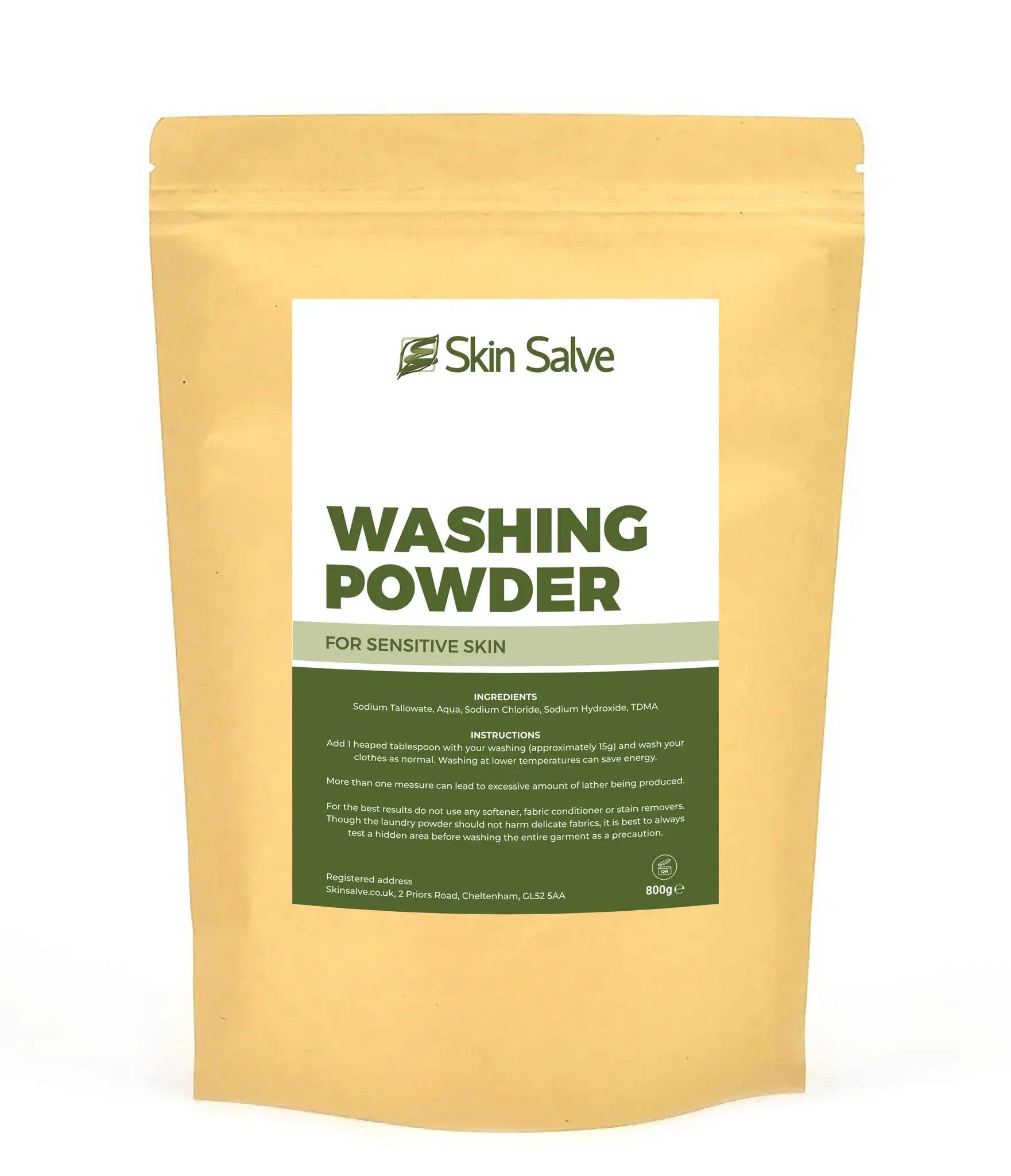
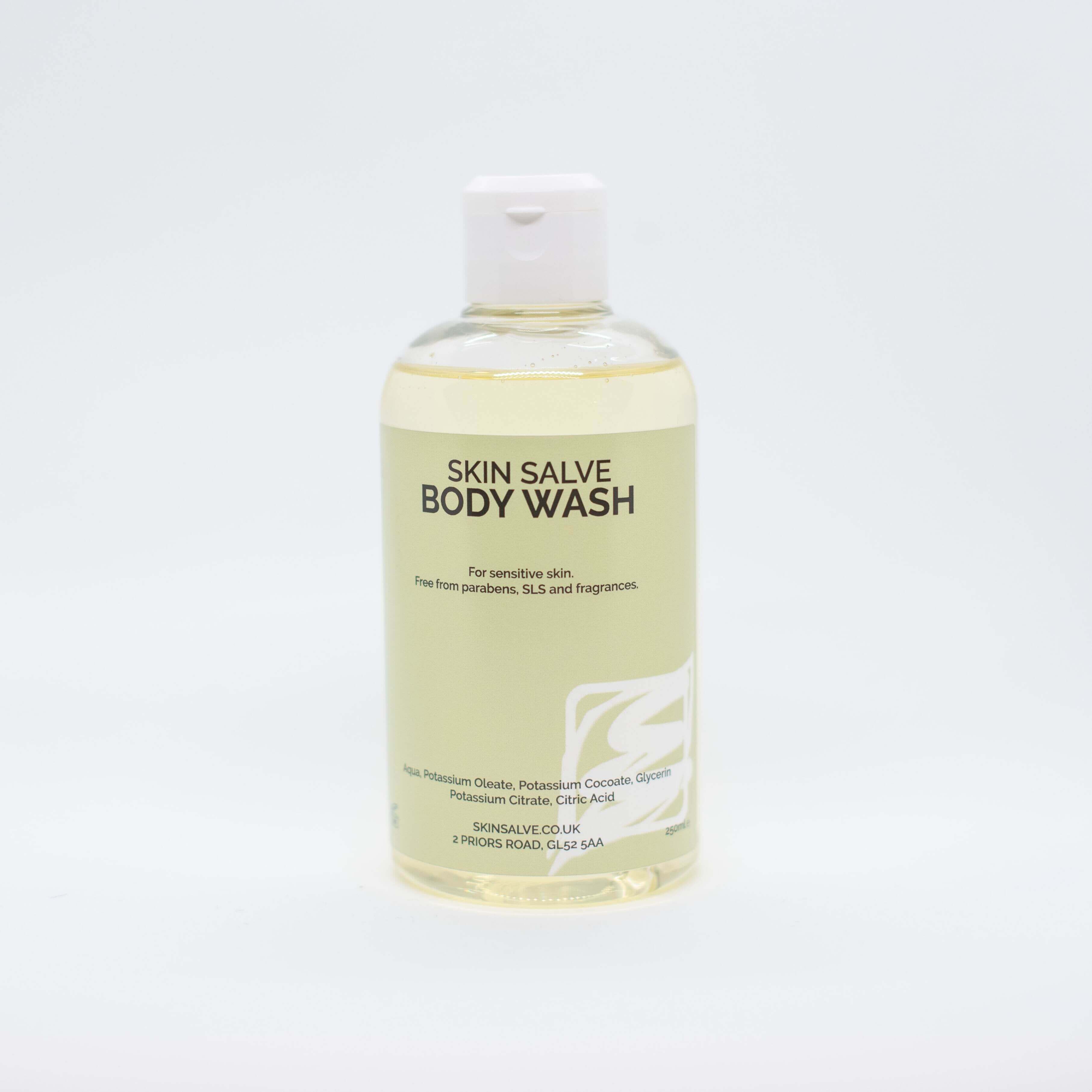
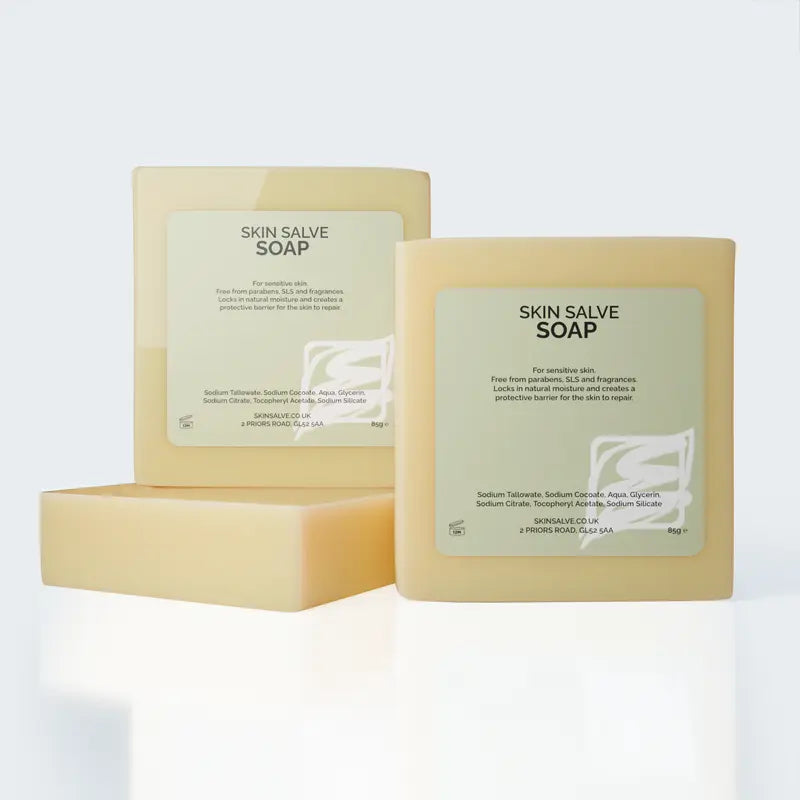
Shop the Skin Salve range

This page has been reviewed

We use natural ingredients in all of our products, but it's still possible to experience an adverse reaction to certain elements.

If any reaction or skin irritation occurs, discontinue use and consult with a medical professional.

Skin Salve is the trading name of Dav Group Ltd. A company registered in the UK.

Company registration number: 15339184

Registered address:

2 Priors Road, Cheltenham, GL52 5AA

© Copyright 2025, All Rights Reserved

This page has been reviewed

We use natural ingredients in all of our products, but it's still possible to experience an adverse reaction to certain elements. If any reaction or skin irritation occurs, discontinue use and consult with a medical professional.

Skin Salve is the trading name of Dav Group Ltd. A company registered in the UK.

Company registration number: 15339184

Registered address:

2 Priors Road, Cheltenham, GL52 5AA

© Copyright 2025, All Rights Reserved

This page has been reviewed

We use natural ingredients in all of our products, but it's still possible to experience an adverse reaction to certain elements. If any reaction or skin irritation occurs, discontinue use and consult with a medical professional.

Skin Salve is the trading name of Dav Group Ltd. A company registered in the UK.

Company registration number: 15339184

Registered address:

2 Priors Road, Cheltenham, GL52 5AA

© Copyright 2025, All Rights Reserved

This page has been reviewed

We use natural ingredients in all of our products, but it's still possible to experience an adverse reaction to certain elements.

If any reaction or skin irritation occurs, discontinue use and consult with a medical professional.

Skin Salve is the trading name of Dav Group Ltd. A company registered in the UK.

Company registration number: 15339184

Registered address:

2 Priors Road, Cheltenham, GL52 5AA

© Copyright 2025, All Rights Reserved